A full house rewire takes one to three weeks and costs an estimated £3,400–£4,100 for a two-bed, £4,000–£5,000 for a three-bed — including the new consumer unit — and £5,600–£6,600 for a four-bed. Those are honest working ranges, not lead-magnet numbers; here's what moves a real quote inside and beyond them.
Rewire cost by house size
These are estimates, not quotes. Final costings always follow a free site inspection — and jobs often come in under the estimate, never over without you agreeing it first.
| Property | Estimate | Typical duration |
|---|---|---|
| 2-bed house | £3,400–£4,100 | 5–8 days |
| 3-bed house | £4,000–£5,000 | 7–10 days |
| 4-bed house | £5,600–£6,600 | 10–15 days |
| Partial rewire | from £1,200 | scope-dependent |
How that compares: Bristol averages for a full rewire sit around £4,800 for a two-bed, £6,200 for a three-bed and £7,700 for a four-bed. The estimates above come in roughly 15–20% under that — one pair of hands, no sales staff, no premises to pay for.
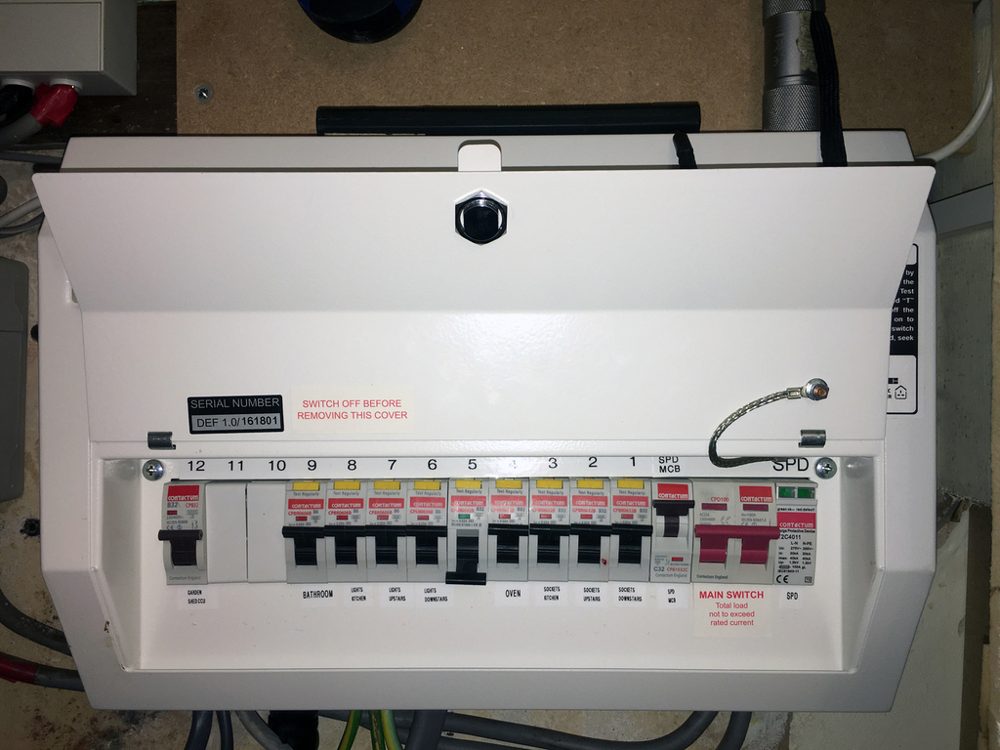
Every full rewire includes a new consumer unit, which is why a house that "only" needs the board replaced is having a much cheaper week than this table.
The variables that swing the price
Occupied or empty is the biggest: an empty house lets the work run room-to-room without nightly reinstatement, and it shows in both price and duration. Walls and floors: solid walls chase slower than stud, tiled and laminated floors fight access, and original floorboards that lift kindly are the quiet hero of a cheap rewire. Point count and spec: every extra socket, every downlight-heavy lighting plan, every future-proofing run adds real cable and real hours, and this is where two quotes for "a 3-bed rewire" can honestly differ by thousands, because they're not pricing the same house plan. Making good: chases filled is standard; skim and decoration usually aren't, and a quote that's silent on the boundary is storing an argument.
Full vs partial rewire: when partial is legitimate
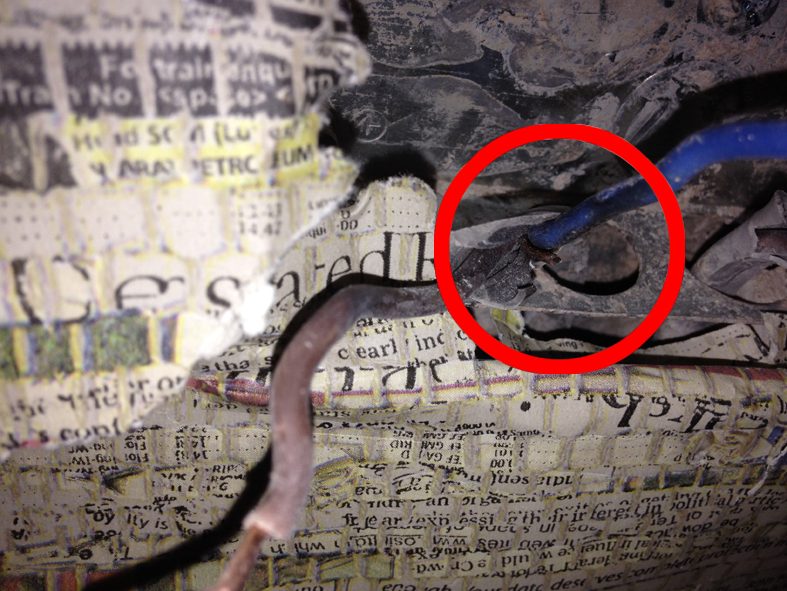
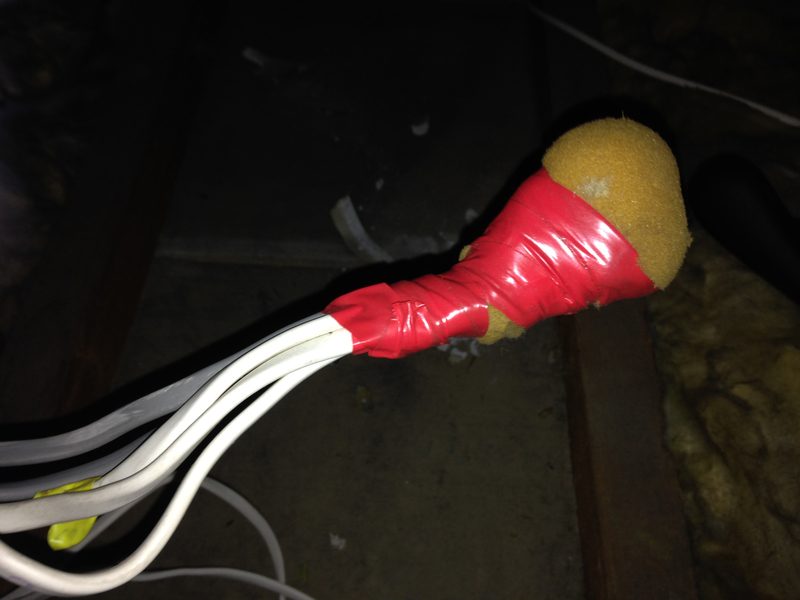
Partial rewiring is honest when the installation genuinely has two ages: the 2015 extension stays, the 1968 originals go. It's a false economy when it's really a full rewire on an instalment plan, leaving the oldest half in the walls to fund a second round of disruption in five years. The arbiter is test results, not optimism: insulation-resistance readings tell you which circuits are living on borrowed time, which is why a pre-rewire EICR is money well spent when the answer isn't obvious.
Want to know if you need one at all?
Send photos of the fuse board and a few sockets — often enough for an honest yes/no and a price range before any visit.
What's included, what's extra
Included in any quote worth signing: all circuits, a new consumer unit, mains-interlinked smoke alarms (a rewire triggers current Building Regulations standards), chases filled, testing and certification with Building Control notification. Commonly extra, and fine as long as it's written down: plaster skim, decoration, floor coverings refitted, and any joinery where boards didn't survive lifting.
How to know you need one
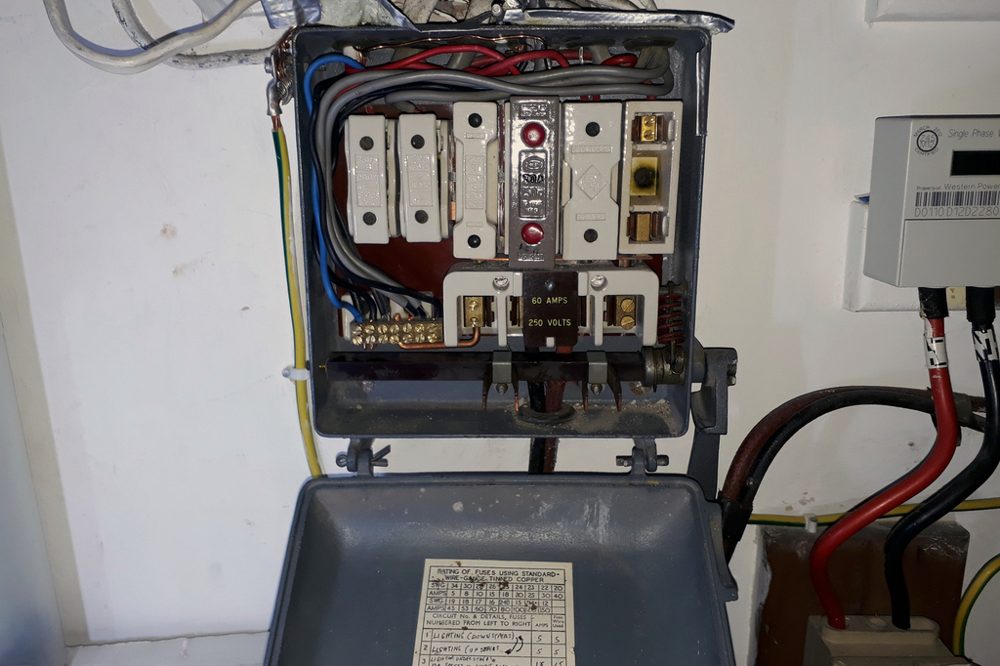
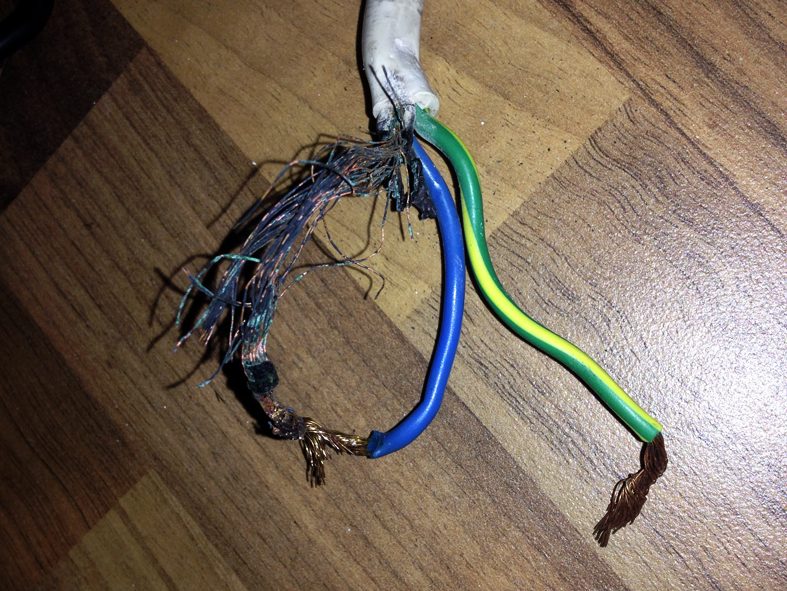
Age plus symptoms: pre-1970s originals, rubber or fabric-insulated cable, a fuse-wire board, sockets on skirtings, no earth at the lights, or an EICR whose C2s trace to the cables rather than the accessories. What doesn't automatically mean a rewire: a tired consumer unit (that's a board change), dated accessories, or a house merely being old. The rewiring service page covers the how; the decision itself should follow an inspection, not a birthday.
How long does a rewire take?
The table's durations hold for most homes: days for small and empty, two-to-three weeks for large and lived-in. Occupancy stretches it more than size does.
Can you live in the house during a rewire?
Yes, most people do: the work runs in zones, essentials come back on each evening, and your tolerance for dust does more of the suffering than you do. Empty is faster and cheaper where you have the option.
Does a 1970s house need rewiring?
Not automatically. Plenty of 1970s installations test fine and need a modern board more than new cables; plenty don't. It's the era where testing, not age, gives the answer, which is precisely what an EICR is for.
Is rewiring worth it before selling?
Usually not in full: buyers rarely pay back the cost of invisible cable. Fixing the deal-threatening items from an EICR, yes; the selling guide covers that judgement properly.
Around Bristol: house rewiring covers how I run the job, staging, and booking. For where board costs sit on their own: fuse board replacement costs. For rates on smaller works: electrician rates.