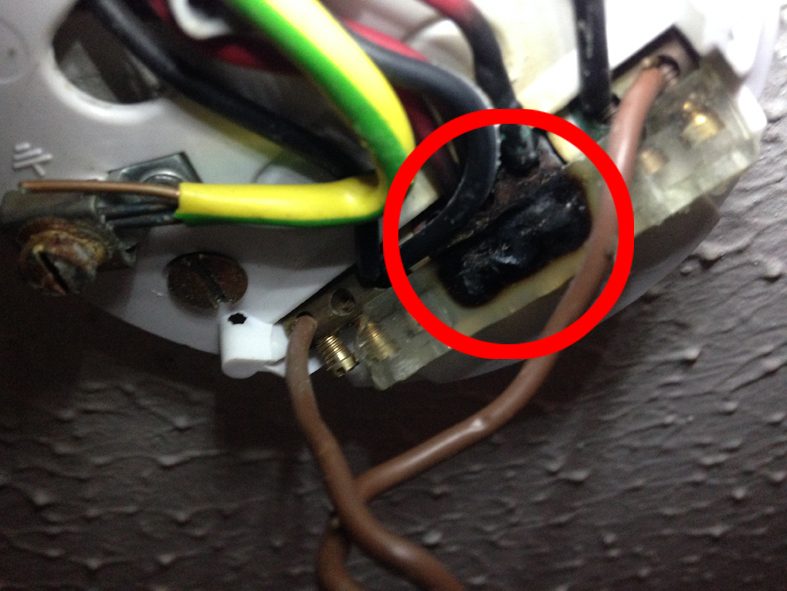
The nine-volt alarm with the flat battery is the most dangerous object in British houses, because it looks like protection. Mains-wired, interlinked alarms don't rely on anyone remembering anything: power from the lighting circuit, battery backup for outages, and when one sounds, they all do, which is what gets a sleeping family downstairs from a kitchen fire two floors away. I install and replace alarm systems across Bristol, certificated on the day.
Hardwired vs battery: what the rules actually require
New-build and materially altered homes have required mains-powered, interlinked alarms for years under Building Regulations. Rentals in England must have a smoke alarm on every storey and a carbon monoxide alarm in any room with a fixed combustion appliance, working at the start of every tenancy, under the 2022 alarm regulations. For owner-occupiers replacing old battery units, sealed ten-year-battery interlinked alarms are a legitimate route; hardwired remains the gold standard and is what I'd fit where the wiring is accessible. Which grade of system a property needs is set by BS 5839-6, and it depends on the building, which is the next section.

Where alarms must go
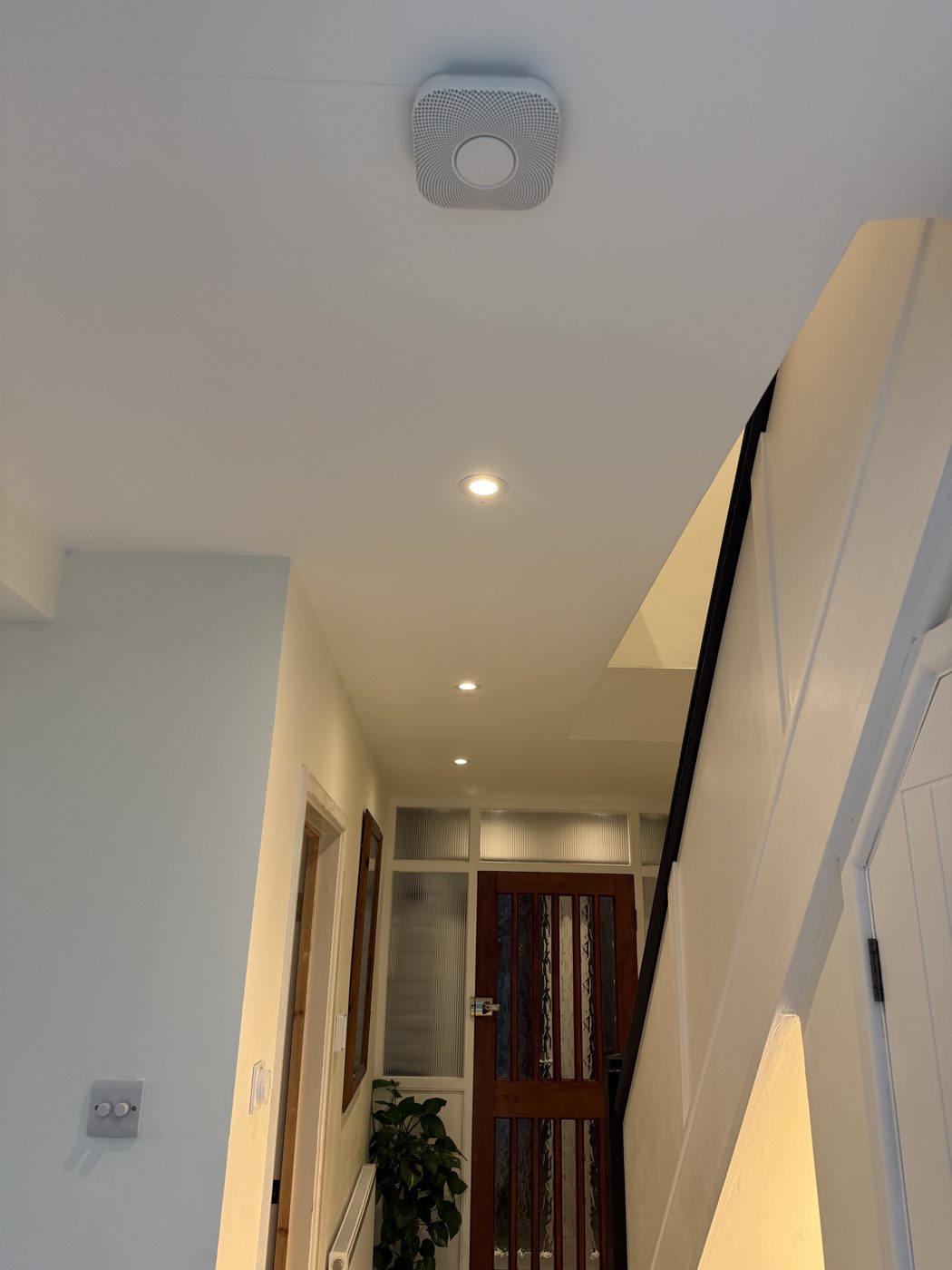
Placement does more work than brand. Smoke alarms on every storey's circulation space, ceiling-mounted away from walls and light fittings; heat alarms, not smoke, in kitchens, where toast would otherwise run the household's false-alarm economy; CO alarms near boilers, stoves and fires at the height the instructions specify. The pattern of what-goes-where is a survey answer, and it's included in every quote.
Alarms due an upgrade — or a rental to certify?
Say how many rooms and storeys — you'll get a fixed written price, and landlords get the certificate with it.
Interlinked systems for rentals and HMOs
Landlords: the 2022 regulations are your floor, not your target, and for HMOs the licensing conditions stack requirements on top, typically a graded, interlinked system specified room by room. Alarm work slots into the landlord certificate bundle, so it's checked when everything else is.

What alarm installation costs
These are estimates, not quotes. Final costings always follow a free site inspection — and jobs often come in under the estimate, never over without you agreeing it first.
Interlinked mains alarms are typically £110–£135 per unit installed on an accessible lighting circuit, with a whole-house system for a typical three-bed at £260–£420. Sealed-battery interlinked systems price similarly on units, lower on labour. Indicative, confirmed after the storey count and ceiling access are known.
Do smoke alarms have to be hardwired?
In new builds and renovations, effectively yes. In rentals, the 2022 regulations demand working alarms per storey without mandating mains power, though many councils and all good sense prefer it. In your own established home it's your choice, and interlinked is the part I'd insist on either way.
What alarms does a rental property need?
Minimum: smoke on every storey, CO wherever there's a fixed combustion appliance, all proven working at tenancy start. HMOs need more, per their licence. The landlord certificate guide carries the full legal picture.
How long do hardwired alarms last?
The sensors degrade regardless of power source: replace alarm heads roughly every ten years, and the replace-by date is printed on the unit. An alarm older than its date is furniture.