An RCD trips because current is leaking to earth somewhere on its circuits, almost always through a faulty appliance, moisture in outdoor fittings, or a wiring fault, in that order of likelihood. Ten minutes of methodical unplugging finds the culprit in most homes, and this guide is that method, exactly as an electrician would run it.
The 10-minute isolation test
The logic: if the RCD holds with nothing connected, the fault is in something you plug in; if it trips with nothing connected, it's in the fixed wiring. So:
1. Switch off and unplug every appliance on the affected circuits. Everything, including the innocent-looking ones: fridge, freezer, washing machine, dishwasher, boiler plug, chargers, the lot. Don't forget the garage and the loft.
2. Reset the RCD. If it now holds, the wiring is fine and one of your appliances is leaking.
3. Plug items back in one at a time, switching each on, waiting a few seconds between. When the RCD drops, the last thing you connected is your suspect.
4. Confirm it: unplug the suspect, reset, run everything else. Holds? Case closed, repair or replace the appliance.
5. If it trips with everything unplugged, or trips randomly with no pattern you can reproduce, the fault is in the installation itself, and that's the handover point: fault finding is exactly this method continued with test instruments into the wiring.
One safety line: this whole procedure is plugs and switches only. Nothing here involves removing covers or touching wiring, and nothing should.
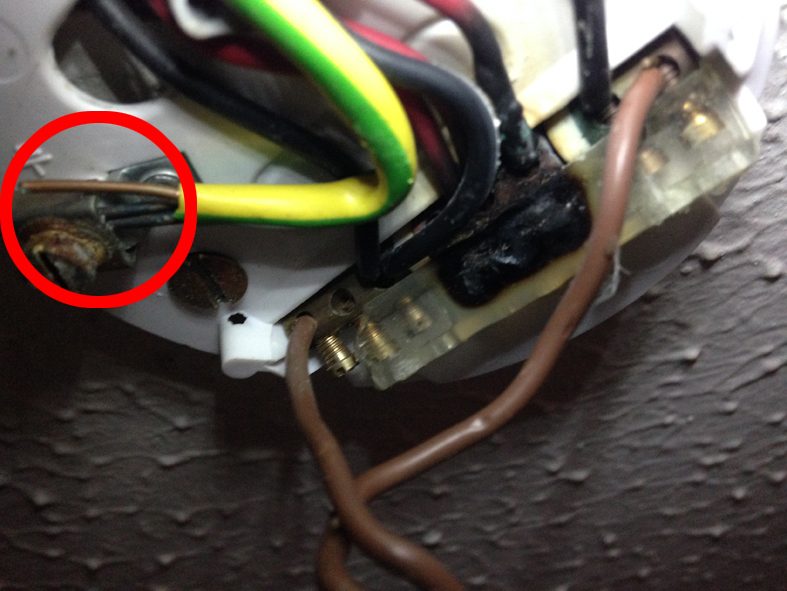
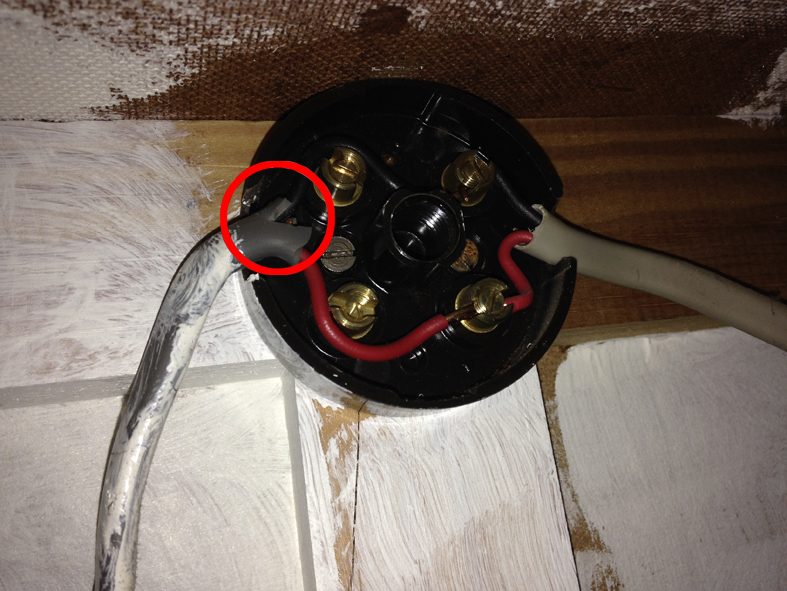
The usual suspects
In rough order of guilt: heating elements, kettles, washing machines, dishwashers, tumble dryers, immersion heaters, because elements crack and leak with age; fridges and freezers, whose defrost heaters fail quietly and whose trips get blamed on everything else; outdoor equipment, mowers, pressure washers, festoon lights, anything living in weather; and cheap chargers and power supplies, which fail in imaginative ways. Old faithfuls fail too: an appliance's age is evidence, not immunity.
Still tripping after the test?
Switch the circuit off if anything smells hot, then call or send a photo — most faults are found and fixed in one visit.
When it trips in rain or at night
Rain-pattern tripping points outdoors: water finding its way into garden sockets, security lights, pond gear or the junction boxes feeding them, leaking to earth until things dry out. The isolation test still works, run it on the outdoor circuit, and the fix is usually one failed seal rather than a mystery. Night tripping usually isn't spooky either: it's the appliances that cycle while you sleep, fridges and freezers defrosting, heating coming on, water heating on cheap-rate timers. The 3am trip is a thermostat clicking a faulty element into life, and the one-at-a-time method catches it, just across days instead of minutes.
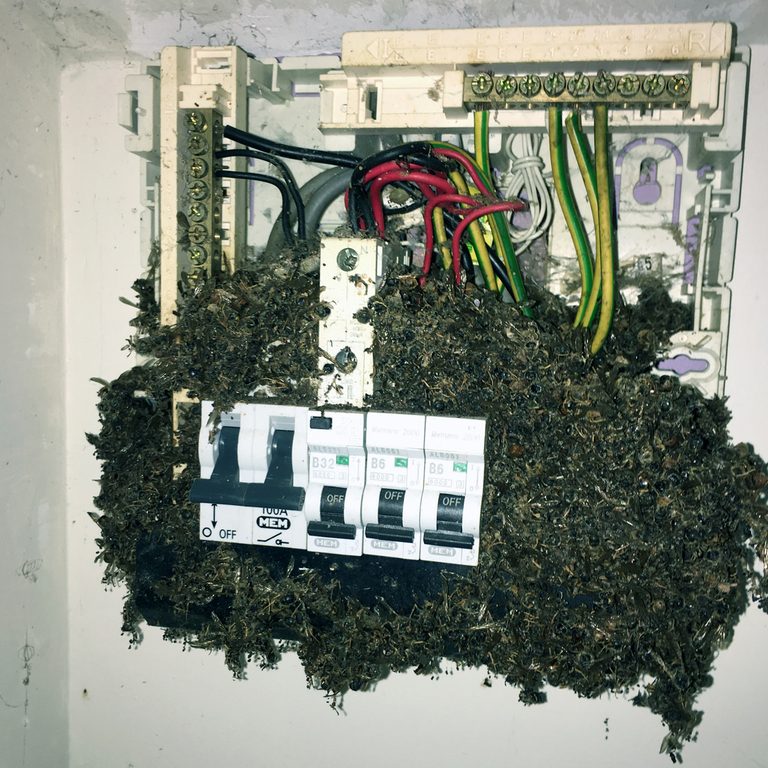
When to stop DIYing
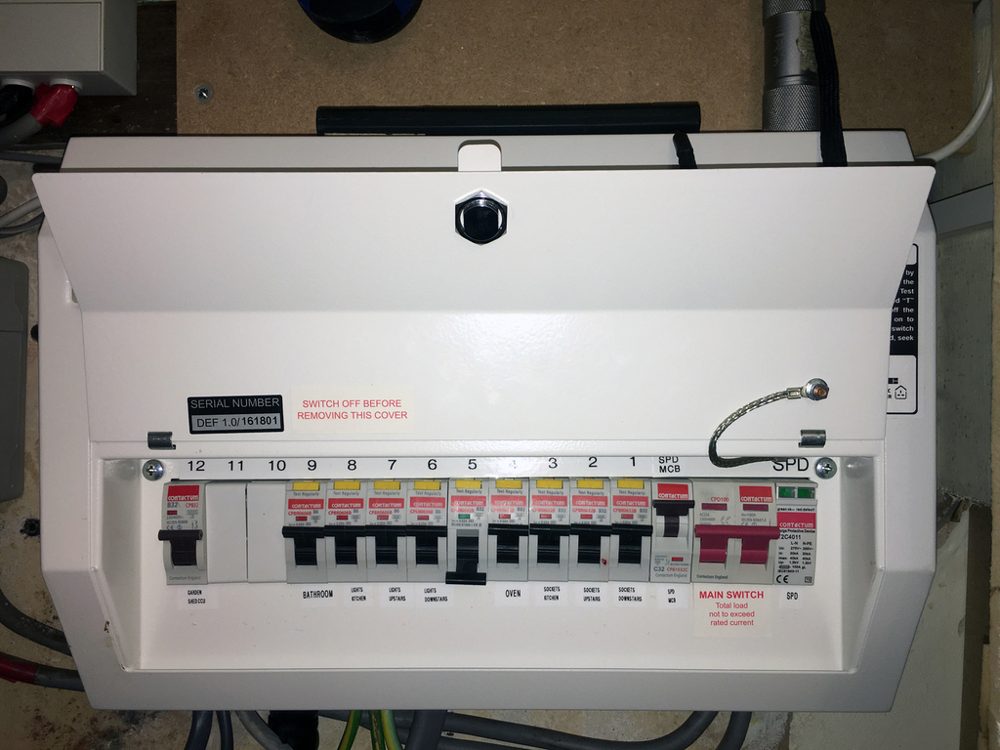
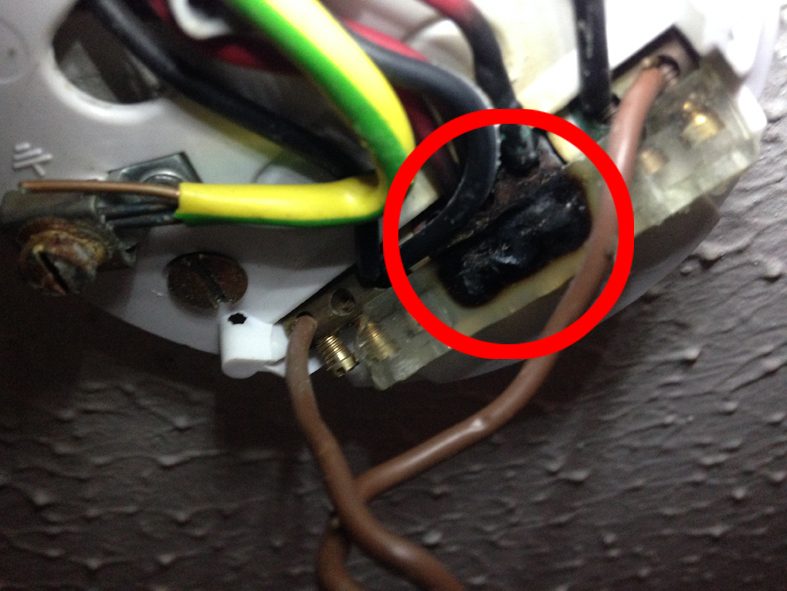
Stop when the test says "fixed wiring": trips with everything unplugged, trips you can't reproduce, or any trip accompanied by burning smells, scorch marks or a warm accessory, which stops being diagnosis and becomes urgent: switch that circuit off at the board and get an electrician out the same day. Stop also if the RCD itself feels suspect, they do wear out, though far less often than they're blamed. From that point it's instruments and experience, and paying for an hour of fault finding beats weeks of resetting.
Why does my RCD trip when it rains?
Moisture in outdoor electrics leaking to earth. Isolate the outdoor circuit and the house will usually behave; then it's one seal, gland or fitting to find and fix.
Why does it trip at night?
Cycling appliances: defrost heaters, heating, timed water heating. Something with a heating element is failing, and it only shows when its thermostat calls.
Can a fridge trip an RCD?
Notoriously, via its defrost heater, and it's the appliance people rule out first because "it's always been fine". Include it in the test; it earns its place on the suspects list daily.
Is a tripping RCD dangerous?
The trip itself is the RCD doing its job, protection working, not failing. What it's telling you is that a real fault exists, and ignoring the message by holding the switch up or, worse, bypassing it, converts a nuisance into the hazard the RCD was preventing.
Around Bristol and the fault's beaten you: fault finding picks up exactly where step 5 leaves off.