If you let residential property in England, you must hold a satisfactory EICR for every tenancy, renew it at least every five years, and act on its findings within 28 days. That's the whole law in one sentence; the rest of this guide is the deadlines, the paperwork flows and the penalties that sentence compresses, from the regulations themselves rather than folklore.
What the law requires: the 2020 Regulations, who they apply to
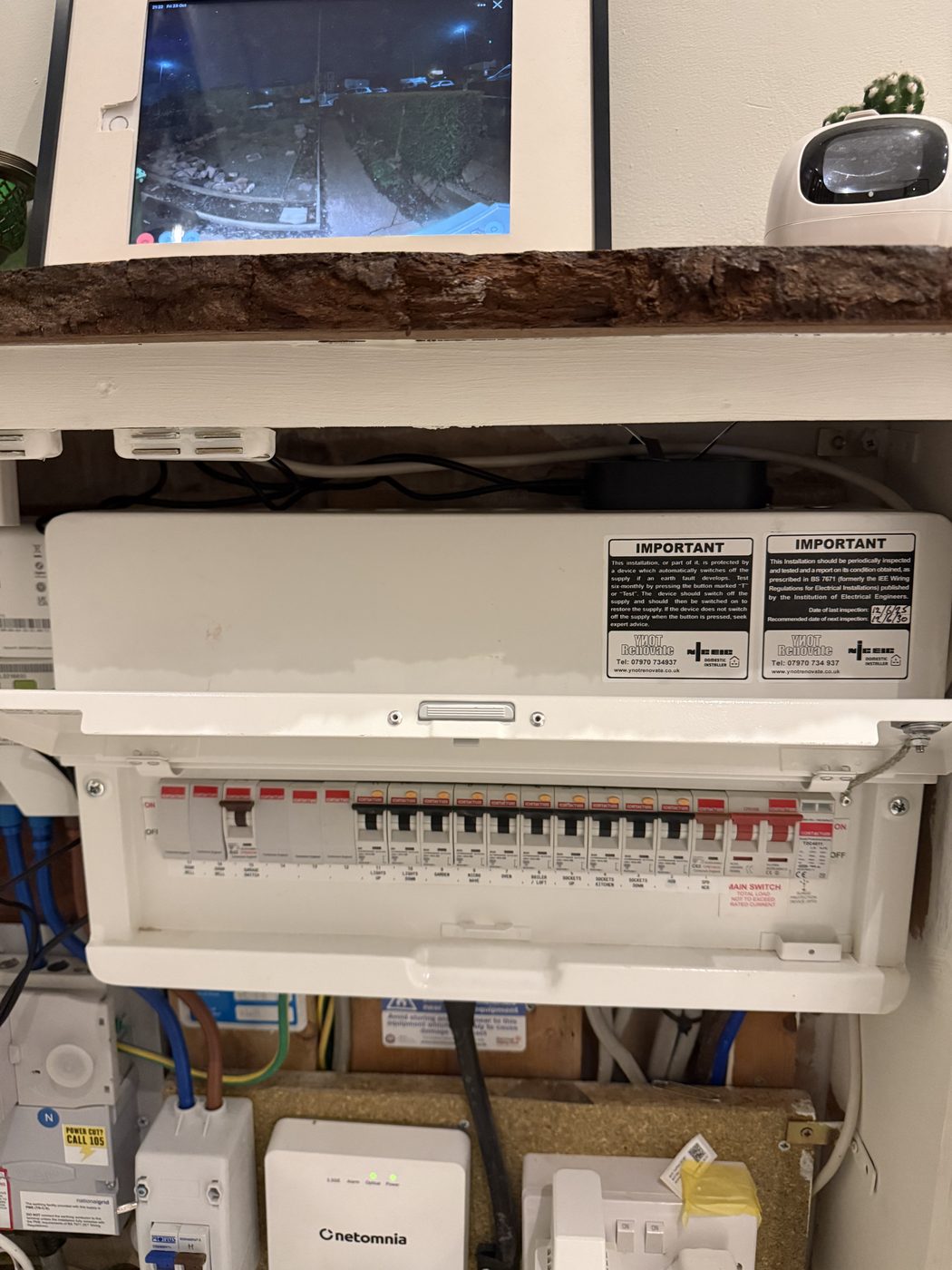
The Electrical Safety Standards in the Private Rented Sector (England) Regulations 2020 (SI 2020/312) apply to nearly all private tenancies in England: assured shortholds, licences to occupy, HMO rooms. The duty is threefold: have the fixed installation inspected and tested by a qualified and competent person at least every five years, hold the report, and distribute it on the schedule below. The "certificate" everyone asks for is the EICR itself; there is no separate landlord document.

The paperwork clock: who gets the report, and when
| Event | What you must do | Deadline |
|---|---|---|
| Inspection completed | Give the report to existing tenants | Within 28 days |
| New tenancy begins | Give the report to the new tenant | Before they occupy |
| Prospective tenant asks | Provide the report | Within 28 days of request |
| Council requests it | Supply the report | Within 7 days |
| Report is unsatisfactory | Complete remedial work | Within 28 days, or sooner if the report says so |
| Remedials completed | Written confirmation to tenants and, where they requested the report, the council | Within 28 days of completion |
Miss the distribution deadlines and you're in breach even with a satisfactory report in the drawer; the regulations police the paperwork flow, not just the wiring.
The 28-day rule: unsatisfactory reports
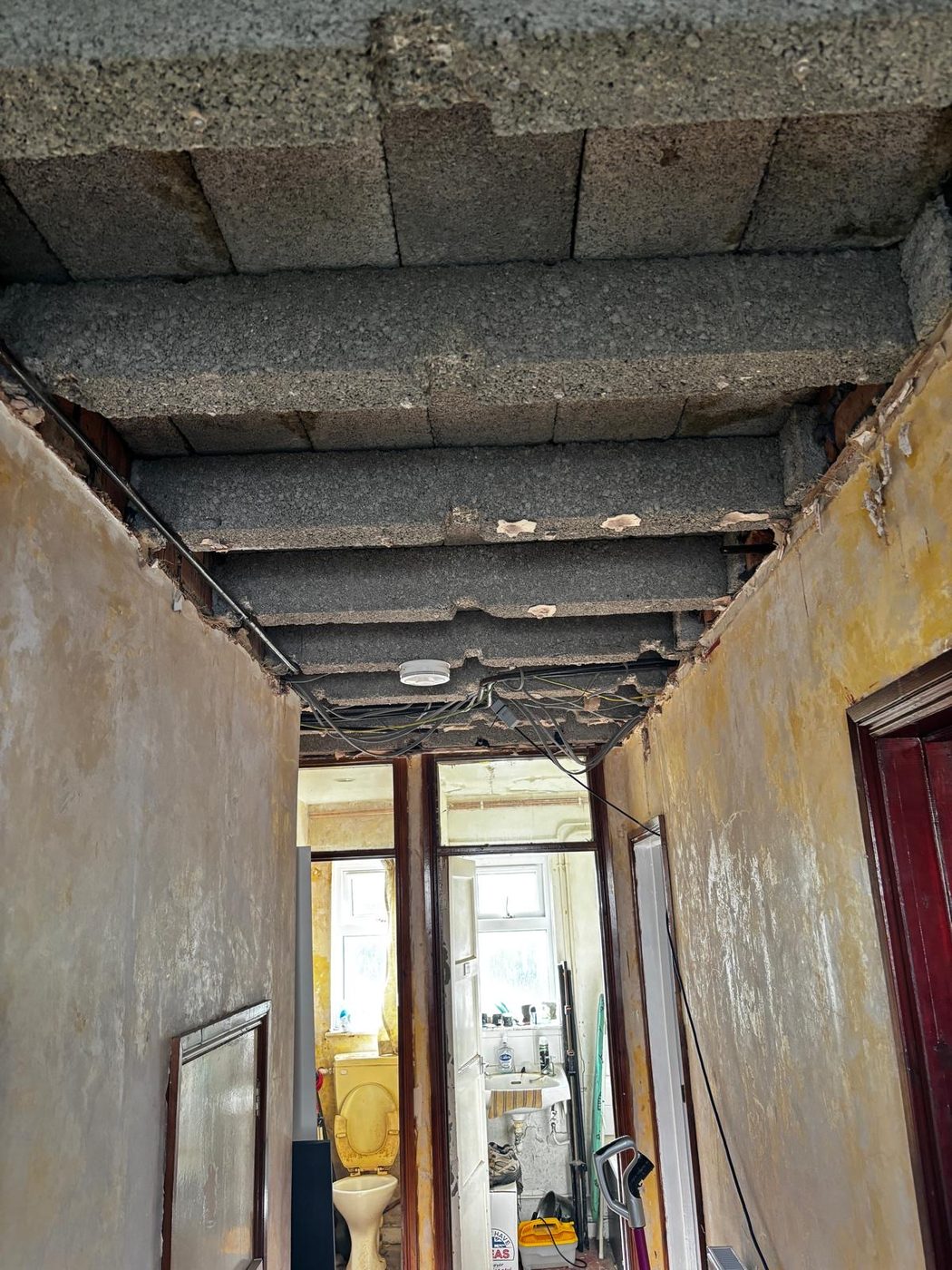
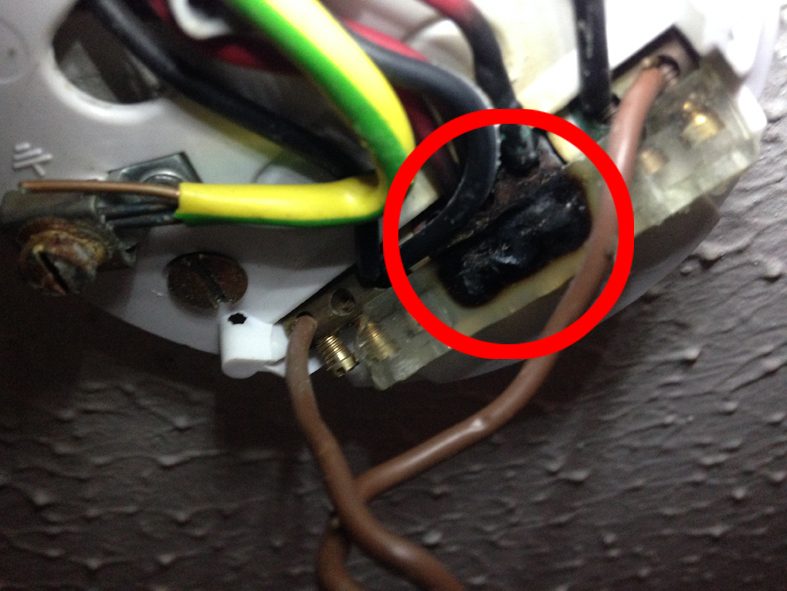
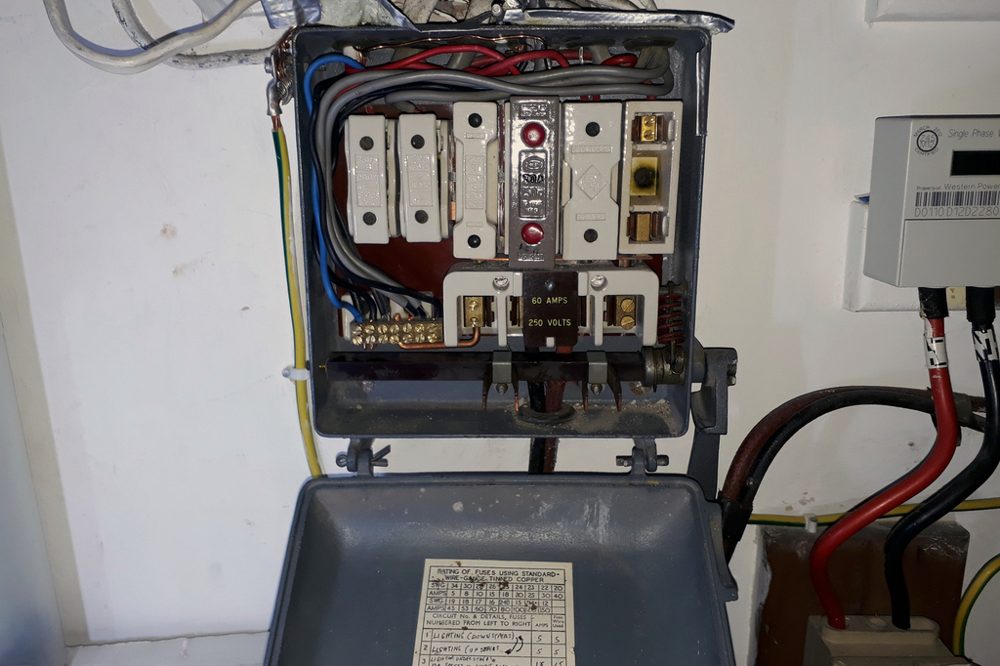
An unsatisfactory report starts a legal clock: C1 and C2 items (and FI investigations) must be resolved within 28 days or any shorter period the report specifies, evidenced in writing by whoever did the work. This is the clause that punishes booking the inspection late, because if the report lands three weeks before a new tenancy with remedials on it, the clock and the move-in date are now racing. Book EICRs with slack, not against deadlines.
A certificate due — or an unsatisfactory report to fix?
One visit covers EICR, PAT and alarms, with one PDF pack for your records or your agent. Written price first.
Penalties: what councils actually do
Local authorities can issue financial penalties of up to £30,000 per breach, can arrange remedial work themselves after notice and recover the cost from you, and multiple breaches stack. Enforcement varies by council and tends to arrive via a tenant complaint rather than a spot check, which is exactly why the tenant-facing paperwork deadlines above matter: the tenant who was never given the report is the tenant who calls the council.
HMOs and licensing: where the requirements tighten
For HMOs the EICR duty is baked into licensing, and the licence conditions typically add graded fire detection, emergency lighting in escape routes, and PAT evidence on top. If your property is licensable, treat this guide as the floor and the licence conditions as the specification.

What tenants can demand
Tenants: you're entitled to the current report before you move in and within 28 days of any new inspection; you can ask for it in writing, and if it doesn't appear, your council's private housing team enforces exactly this. A landlord who supplies it unprompted is telling you something good about everything else you can't see.
Is an EICR a legal requirement for landlords?
In England, yes, every five years per tenancy under the 2020 Regulations, with the distribution deadlines above. Wales and Scotland run their own regimes with the same shape and different clocks.
How often do rentals need an EICR?
At least every five years, sooner if the report sets a shorter interval, and the report itself states the next-inspection date, which is the date to diary.
Do I need PAT testing as a landlord?
The 2020 Regulations cover the fixed installation only, so PAT isn't named; but appliances you supply must be safe under general product-safety and duty-of-care law, and a PAT register is the recognised evidence. Supplying appliances without one is running on luck.
Can I be fined for an expired EICR?
Yes, up to £30,000 per breach, and "I'd booked it in" is mitigation, not defence. The renewal is the cheapest item in this entire guide.
If your property is around Bristol: the landlord certificate service bundles the EICR, PAT and alarm checks into one visit with the renewals diary handled for you.