Every mouldy bathroom ceiling in Bristol has a fan in it. The fan isn't the problem; the fan bought on price, ducted through six metres of sagging flexible hose, running thirty seconds after a shower, is the problem. I fit extraction that actually extracts: sized to the room, ducted properly, and controlled so it runs long enough to matter.
Choosing a fan: extraction rates, silence ratings, timer vs humidistat
These are estimates, not quotes. Final costings always follow a free site inspection — and jobs often come in under the estimate, never over without you agreeing it first.
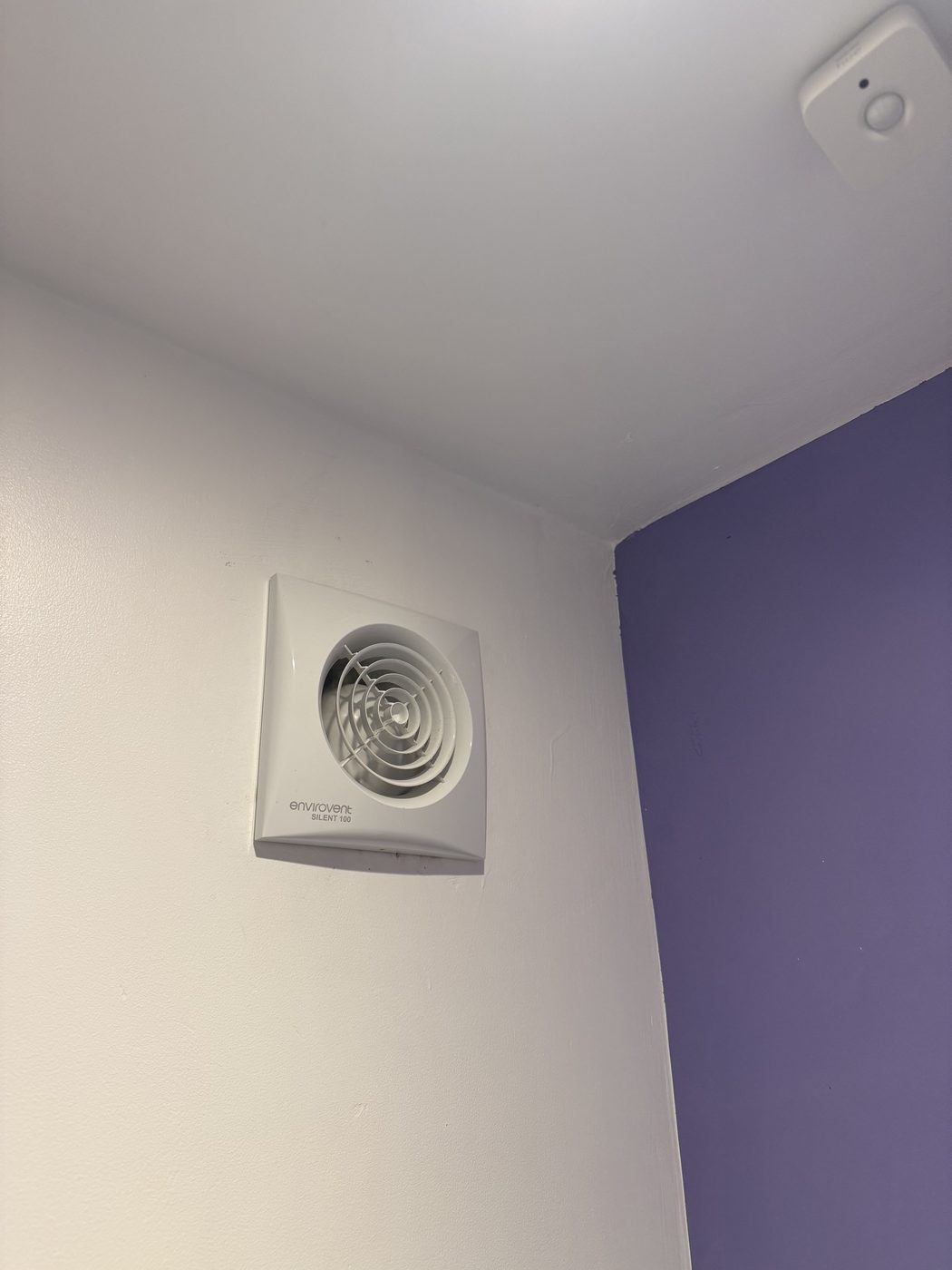
Three numbers pick a fan. Extraction rate, matched to the room and its ducting run, because a fan rated for the room but strangled by its duct extracts a fraction of the label. Noise, because loud fans get switched off, and a switched-off fan extracts nothing; the quiet modern units are the difference between a fan that runs and one that's tolerated. And control: a timer overrun keeps it working after the light goes off, while a humidistat runs it on actual moisture, which is the honest answer for bathrooms used by teenagers and tenants, the two demographics that never leave a fan running voluntarily.

Why bad ducting is the usual problem: the mould behind the wall
The story I find over and over: a decent fan pushing steam into a loft, a cavity, or through so much crumpled flexi-hose that the moisture condenses inside the duct and drips back. Extraction only works when the wet air actually leaves the building, through smooth, short, properly terminated ducting. Half my fan jobs are really ducting jobs, and the quote will say so when yours is one of them, because replacing the fan alone would fix nothing and I'd rather not sell you that.
Mouldy bathroom or dripping fan?
Send a photo of the fan and the wall — I'll tell you whether it's the fan, the ducting, or both, and what the fix costs.
Bathroom zones and what can legally go where
A fan over a shower lives in the splash zones, which sets the IP rating it must carry and, for some positions, how it must be supplied. It's the same zones logic as the rest of the bathroom, solved by specifying the right unit rather than by hoping, and it's included in every quote as a rating, in writing.
What a fan costs
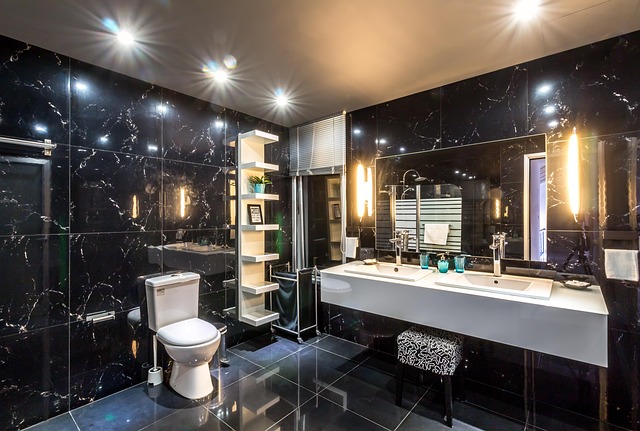
Like-for-like replacement: £150–£185. New installation with ducting: £240–£340, moved mostly by the duct route. Indicative, confirmed from a photo of the room and, if you can get one, wherever the current duct goes.
Can I replace an extractor fan myself?
A plug-and-play like-for-like swap, maybe, if you're competent and the supply allows it. Anything touching the wiring, the zones or the ducting route, that's the actual job, and it's the part that determines whether the mould comes back.
Why does my bathroom still get mould with a fan?
Because the fan is undersized, strangled by its ducting, or not running long enough, in roughly that order of likelihood. Sometimes the honest answer is that the house has a wider ventilation problem a bigger fan won't solve, and I'll tell you when it does.
Do kitchen extractors need an electrician?
Recirculating hoods mostly plug in. Ducted extraction, new circuits, or anything hardwired, yes, and kitchens add the grease-and-heat spec that bathroom advice doesn't cover.