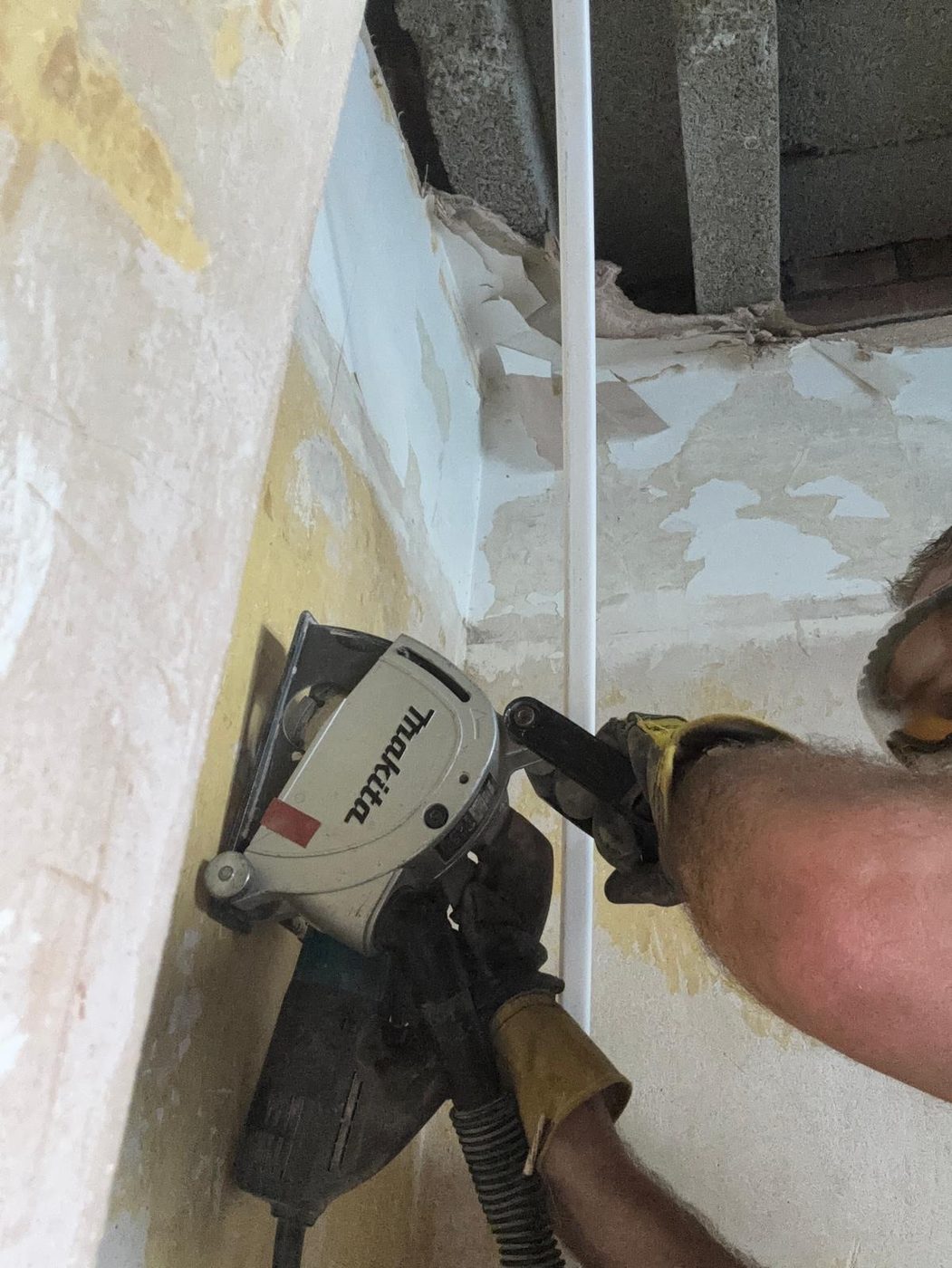
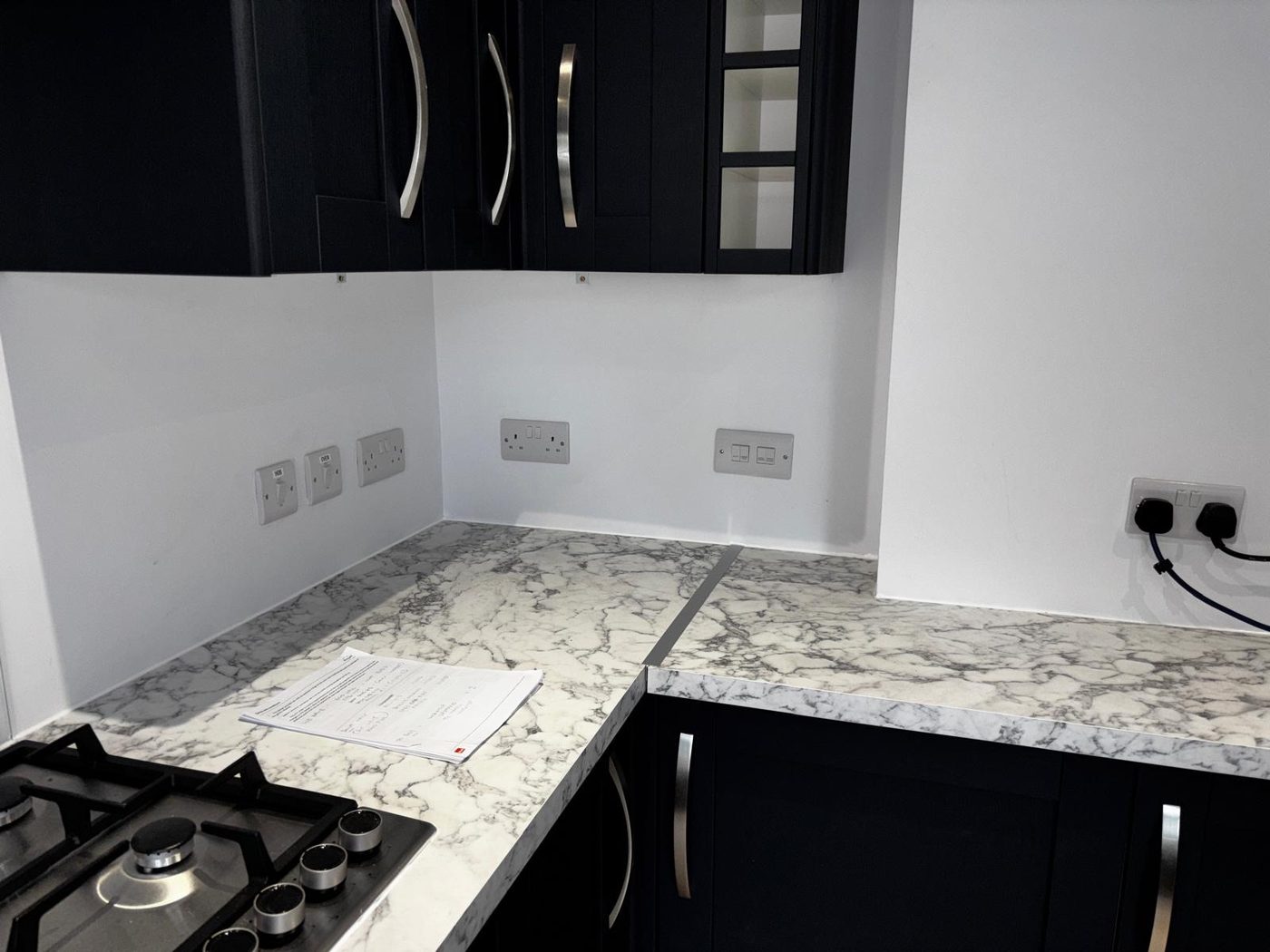
On a renovation, the electrician the builder trusts is the one who turns up when the programme says, not the one with the best website. This page is aimed at both of you: homeowners planning an extension, loft or garage conversion, and builders who need an electrician who understands that their programme is the job. First and second fix across Bristol, certified under my NICEIC registration and notified where the work requires it.
First fix and second fix, explained for homeowners
First fix is everything that lives inside the structure: cables run, back boxes set, circuits routed, done after strip-out or shell-up and before plastering closes the walls. Second fix is everything you'll actually touch: faceplates, fittings, connections, then testing and certification, done after decoration. Between them sits everyone else's work, which is why the electrician who misses a first-fix slot doesn't cost you a day, they cost you the replasterer's next availability.
Working to a builder's programme
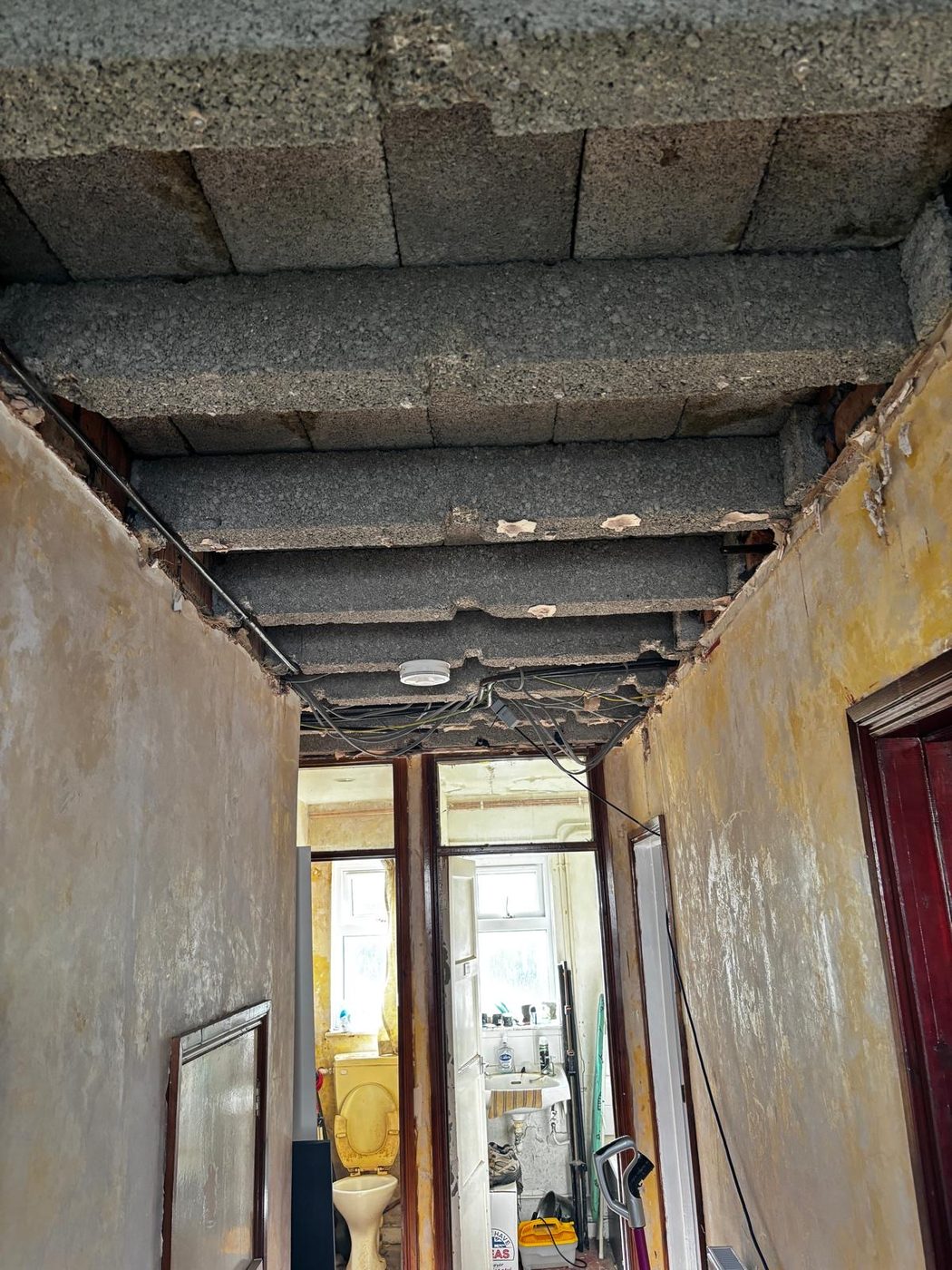
What I offer builders, plainly: dates held, first fix completed when the walls are ready and not a revisit later, changes priced in writing the day they're asked for, and the certification paperwork ready for Building Control at handover rather than chased for weeks after. If you're a builder reading this because a client sent you, the our work page shows the standard, and quoting works the same for trade as it does for homeowners: send the plans, get a marked-up quote back.
Plans drawn or builder booked?
Send the drawings and I'll price first and second fix separately, so you can see exactly what the electrics add to the build cost.
Loft conversions
Lofts bring their own electrical logic: the new storey changes the smoke alarm requirements for the whole house, since escape from the top floor now runs down through it, and the conversion is the cheap moment to bring the alarm system up to the standard the finished house will need. Add the practical loads, sockets that assume the room's future as an office or bedroom, and heating that acknowledges lofts run hot and cold, and the first-fix conversation is longer than the room suggests.
Garage conversions and annexes
Garages usually arrive with one sad circuit feeding a light and a freezer, and leave needing a room's worth of power, heating and lighting. Annexes go further, sometimes justifying their own consumer unit, and if there's any chance the space becomes a rental or a dependent relative's home, planning the electrics for that future now costs a fraction of retrofitting it later.
Pricing
These are estimates, not quotes. Final costings always follow a free site inspection — and jobs often come in under the estimate, never over without you agreeing it first.
Renovation electrics are priced per project from the plans: as a guide, extension first-and-second fix from £1,600, loft conversions from £1,400, garage conversions from £850, moved mainly by point count and whether the consumer unit has capacity for the new circuits. Indicative, confirmed against your drawings.
Does an extension need Building Control sign-off for electrics?
Yes, new circuits in an extension are notifiable, and I notify them through my own NICEIC registration, with the certificates issued at completion, sitting in the same Building Control file as the rest of the build. The Part P guide covers how that works.
Will my consumer unit cope with an extension?
It's the first thing I check on the plans, because the answer decides real money: sometimes there are spare ways, sometimes the extension is the sensible moment for the board upgrade the house needed anyway. Either way you find out at quote stage, not at first fix.
When should the electrician come in?
At the plans stage, ideally, before a wall is built: socket positions, the island feed, the board question, all cost pennies to decide on paper. Failing that, the moment the shell is up and before anyone books the plasterer.