Earthing and bonding are the parts of your electrics whose whole career is one bad moment: they do nothing visible until a fault happens, and then they're the reason touching a tap or a radiator during that fault doesn't hurt you. Nobody wakes up wanting to buy bonding, which is why this page exists for the two ways people actually arrive at it: a gas engineer's warning notice, or an EICR finding.
What earthing and bonding actually do
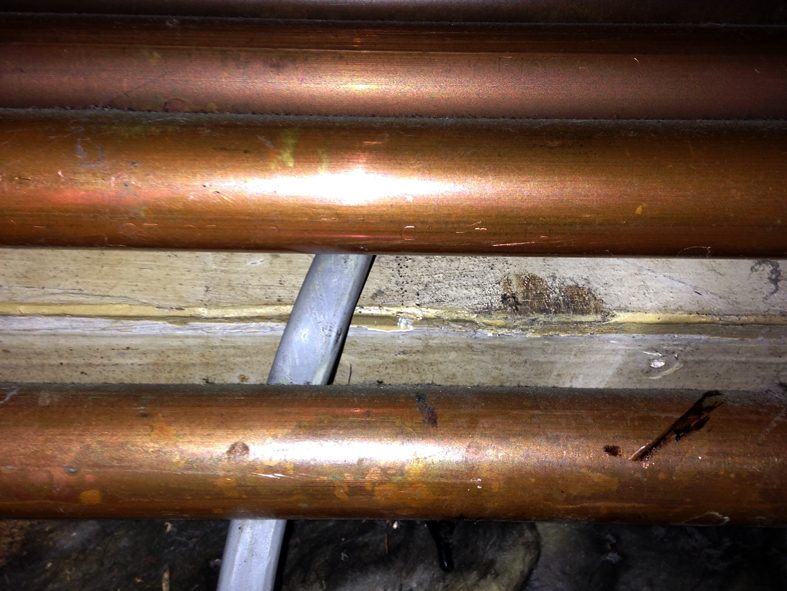
Earthing gives fault current a deliberate, low-resistance path out of your installation, so protective devices trip fast instead of leaving metalwork live. Main protective bonding connects the incoming metal services, gas and water pipework, to that same earthing system, so during a fault everything you might touch sits at the same potential and no dangerous voltage appears between the tap and the toaster. Green-and-yellow conductors, clamped to the pipes near where they enter the house: unglamorous, and load-bearing for everything else the installation claims about safety.
"Your gas engineer flagged missing bonding": answered directly
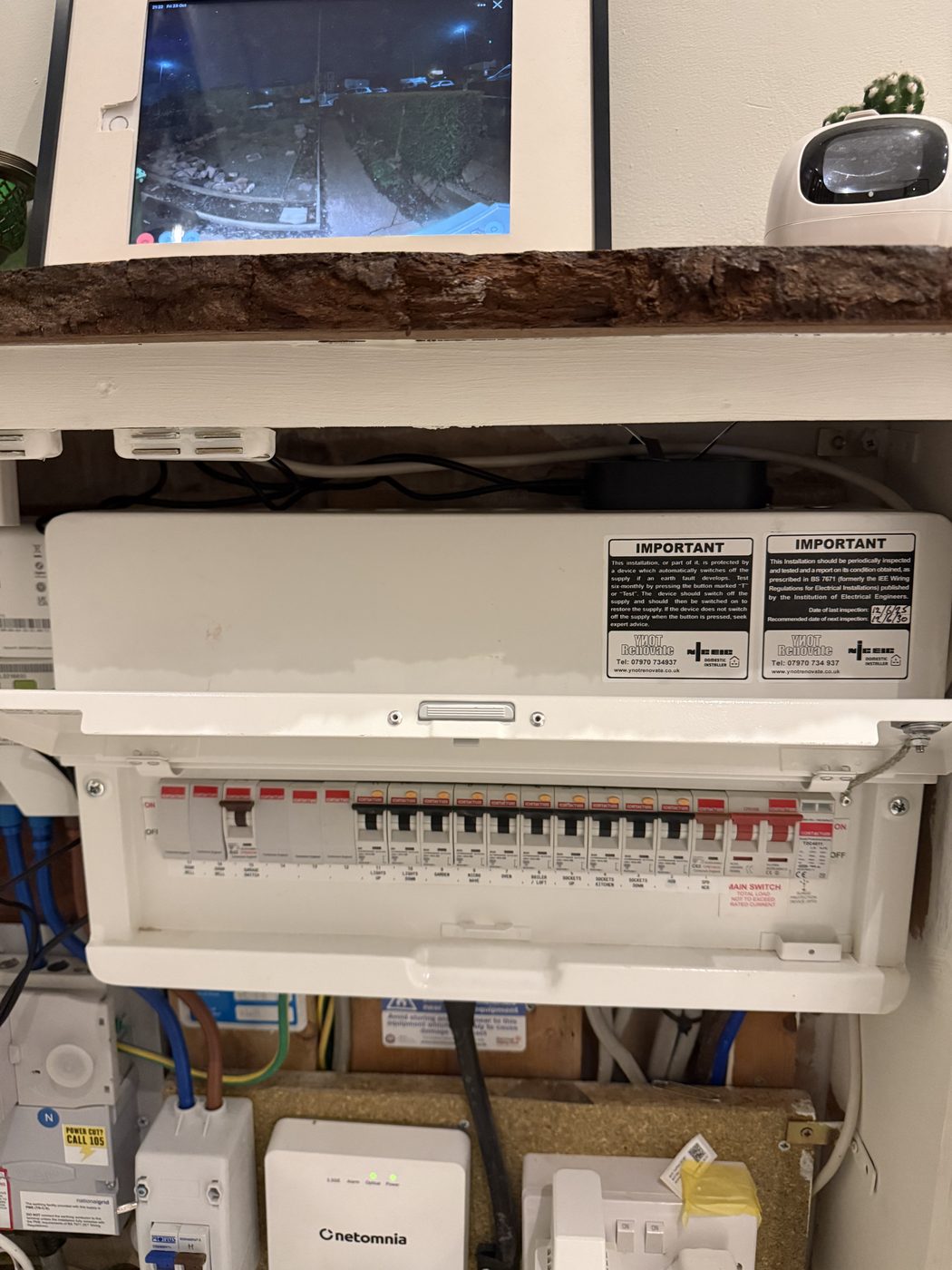
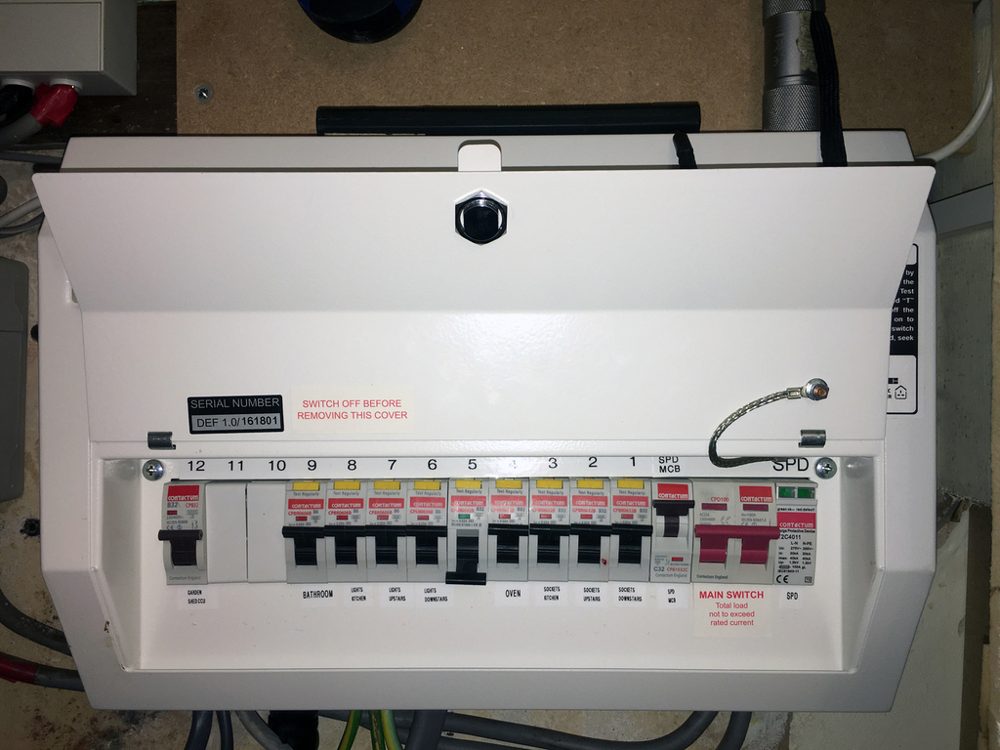
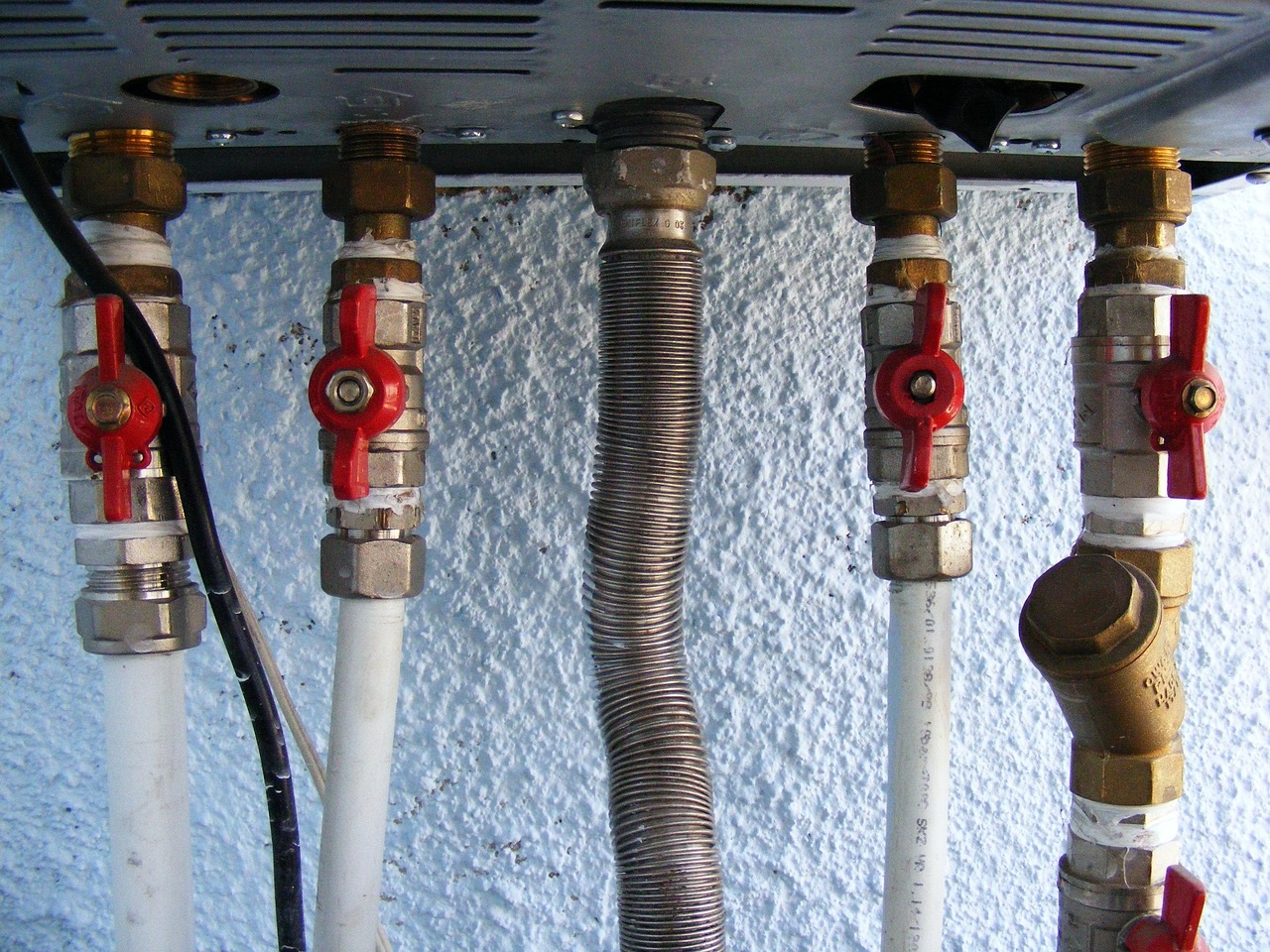
This is the most common route here, and the engineer wasn't upselling: gas engineers are required to check bonding at the meter, and where it's missing or inadequate they must tell you. The fix is usually a visit's work, running correctly sized bonding conductors from your main earthing terminal to the gas and water entry points, tested and recorded. Send a photo of your consumer unit and, if you can, the pipe where the gas meter enters, and the quote is normally same-day.
Gas engineer flagged missing bonding?
Send a photo of the pipework near the meter or boiler — it's usually a short, fixed-price visit to put right and certify.
Earthing upgrades for older Bristol homes
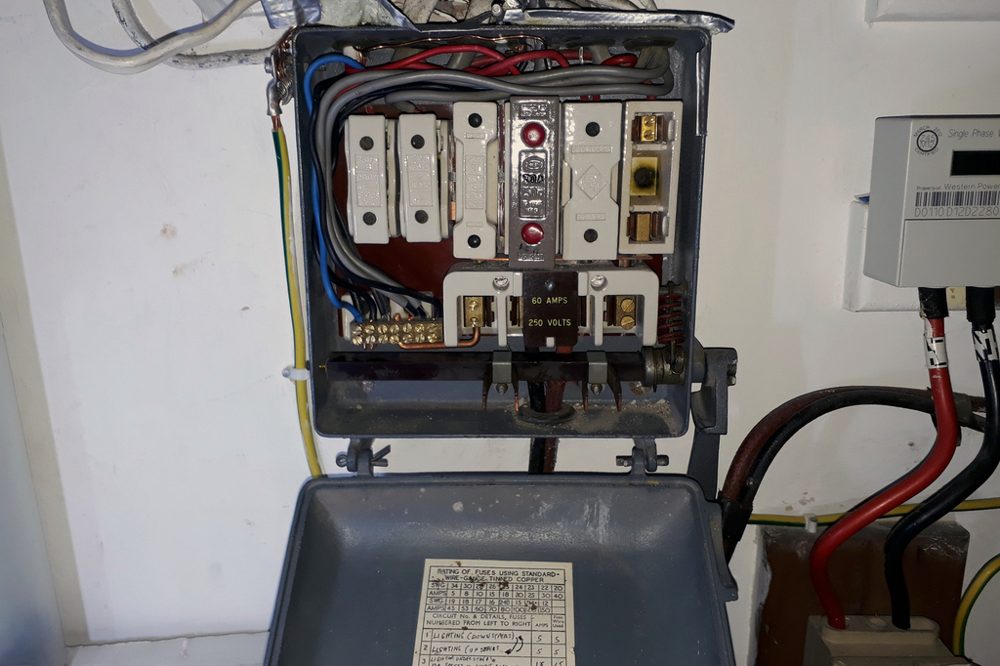
Bristol's older stock carries every earthing era at once: houses relying on the supplier's ageing cable sheath, rural-pattern TT installations depending on an earth rod of unknown vintage, and plenty where "the earth" is a water pipe that stopped being metal three street-repairs ago. Upgrading means testing what you actually have, then bringing the arrangement up to what the installation, and anything you plan to add, a new shower or a garden office especially, requires. It pairs naturally with a consumer unit upgrade, since half the labour is shared.
What bonding work costs
These are estimates, not quotes. Final costings always follow a free site inspection — and jobs often come in under the estimate, never over without you agreeing it first.
Main bonding to gas and water where runs are accessible: £120–£180. Earthing system upgrades: from £200, priced after testing because the existing arrangement decides the job. Indicative, confirmed in writing.
What is main bonding?
The green-and-yellow conductors tying your gas and water pipework to the electrical earth, so a fault can't make the plumbing dangerous to touch. Required, checked by every EICR, and absent from an astonishing share of older homes.
Is missing bonding dangerous?
Under normal conditions you'll never notice it's gone; during a fault it's precisely the protection you'd want to have had. That gap between "fine today" and "critical in the one moment that matters" is why it's coded seriously on reports and why it shouldn't queue behind cosmetic jobs.
Why did my EICR fail on earthing?
Because inadequate earthing or bonding undermines every other safety measure the report checks, so it codes at C2 or worse. The repair is usually among the cheapest items on the schedule, and clearing it moves the whole report meaningfully toward satisfactory.