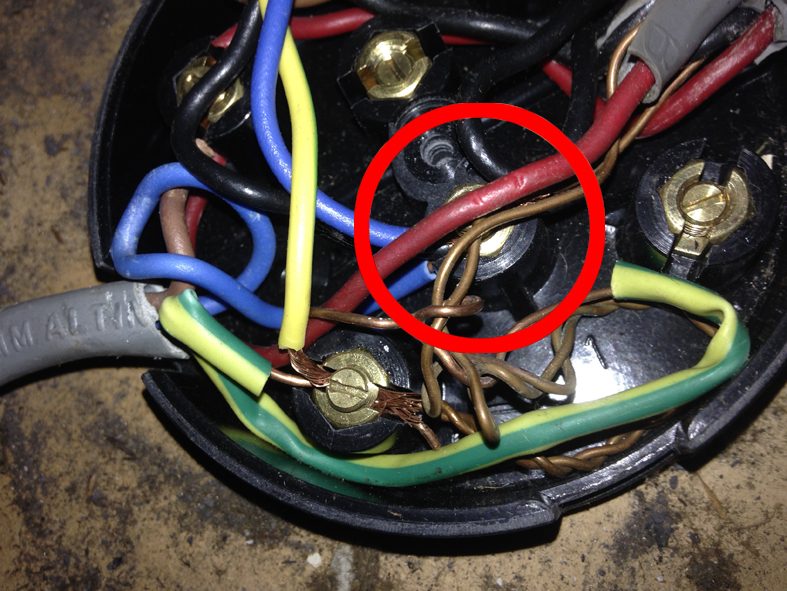
Part P is the part of the Building Regulations in England that makes electrical safety in homes a legal building matter: certain jobs, "notifiable work", must be certified either through a registered electrician's competent person scheme or via Building Control. It is not a qualification, not a card in someone's wallet, and not optional. Here's how it actually works.
What Part P is: Building Regulations, not a qualification
"Are you Part P registered?" is the most commonly mangled question in domestic electrics. Part P itself just says electrical work in dwellings must be designed and installed safely; the registration people mean is membership of a competent person scheme (NICEIC, NAPIT and others), which lets a business self-certify its notifiable work to Building Control. So the real questions are: is this job notifiable, and if so, who is certifying it and by which route.
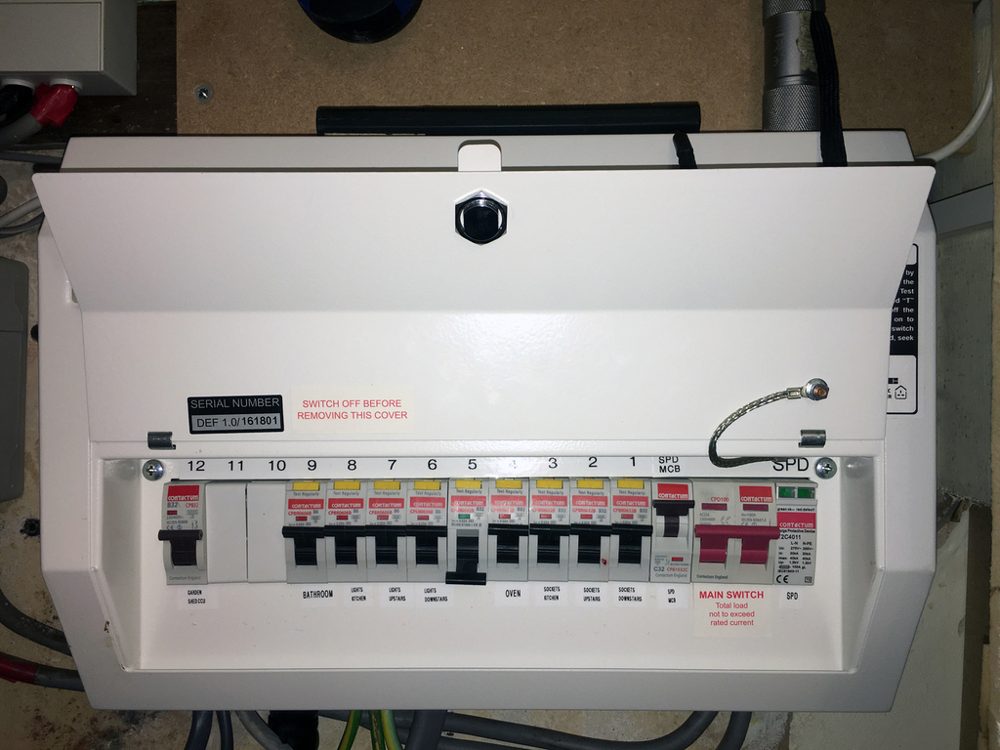
Work done, certificate missing?
Send what you know about the job — I'll tell you whether it was notifiable and the cheapest route to putting it right.
Notifiable vs non-notifiable work
| Job | Notifiable? | Paperwork you should receive |
|---|---|---|
| New circuit (any) | Yes | Electrical Installation Certificate + Building Regs compliance certificate |
| Consumer unit replacement | Yes | Same as above |
| Work in special locations (bathroom zones, etc.) | Yes, for most work there | Same as above |
| Full or partial rewire | Yes | Same as above |
| Adding sockets/lights to an existing circuit (ordinary rooms) | No | Minor Works Certificate |
| Like-for-like replacements and repairs | No | Minor Works Certificate good practice |
The pattern: new circuits, the board, and wet-room work are notifiable; extending and maintaining what exists in ordinary rooms mostly isn't. Non-notifiable never means unregulated, all of it must still meet BS 7671, it just doesn't get reported to Building Control.
Competent person scheme vs Building Control: the two routes and their costs
Route one: a scheme-registered electrician does the work and self-certifies; the notification cost is buried in the job and the compliance certificate arrives in the post. Route two: anyone else, a non-registered electrician or a competent DIYer, notifies Building Control before starting, pays the council's fee (commonly a few hundred pounds), and the work gets inspected. Route two is legal and almost always uneconomic for a single job, which is the practical reason scheme registration matters: it's the difference between the certificate costing you nothing extra and costing you a Building Control application. On my jobs, notification runs through my own NICEIC registration (D605692), so there's no Building Control fee on top.
Buying or selling a house with uncertified work
This is where Part P bites years later. A buyer's solicitor asks for electrical compliance certificates; the seller has a 2016 kitchen and nothing on paper. The genuine options: a regularisation application to Building Control (retrospective approval, involving inspection and possibly opening up work), an indemnity insurance policy (which insures against council enforcement, and, crucially, doesn't say a word about whether the wiring is safe), or an EICR to establish actual condition, which is what a sensible buyer wants anyway. Sellers: dig out certificates before listing. Buyers: an indemnity policy protects the transaction, not your family, so pair it with an inspection.
What is a Part P certificate?
Strictly, two documents people merge into one: the Electrical Installation Certificate from the electrician, and the Building Regulations compliance certificate generated by the scheme notification. If you had notifiable work done, you should hold both.
Is fitting a socket notifiable?
Adding one to an existing circuit in an ordinary room, no. A new circuit for it, or a socket in a bathroom's zones, yes. The table above is the map.
Can I do my own electrics legally?
Non-notifiable work, yes, if you're competent, and BS 7671 still applies to every screw of it. Notifiable work, also yes, but only via Building Control notification before you start, at the council's fee. What's never legal is notifiable work done by anyone, professional or amateur, that nobody certified.
What if previous work has no certificate?
It doesn't invalidate your house, and enforcement against old work is rare; it surfaces at sale time and in the honest question of whether the work is any good. An EICR answers the safety question; regularisation or indemnity answer the paperwork one. Start with safety.
Around Bristol: if uncertified work has left you needing the installation inspected, EICR testing is the door in, and renovation electrics covers doing the next project by the book.